Getting a bloodshot eye is very common. Learn about bloodshot eye causes, diagnosis, treatment, and when to get help.
Why is your eye red?
Bloodshot eye or red eye is very common in Australia. In most cases, it's nothing to worry about ‑ your eye will simply clear up by itself in a few days. But sometimes bloodshot eyes do need more treatment. And in some situations you may even need to go to the ED.
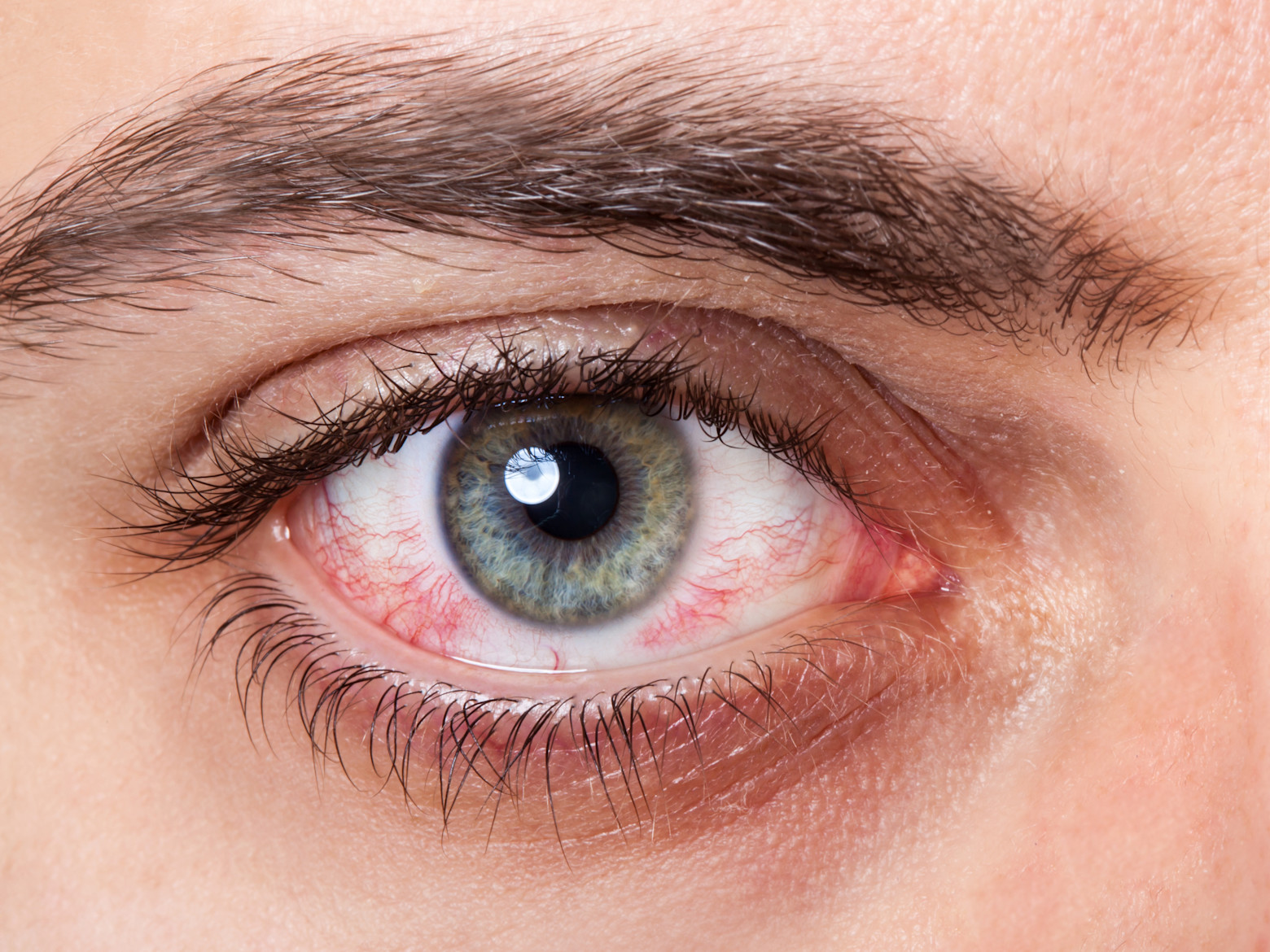
What does red eye look like?
Ever wondered what's happening when your eyes go red?
1 of 3
Blood vessels get wider
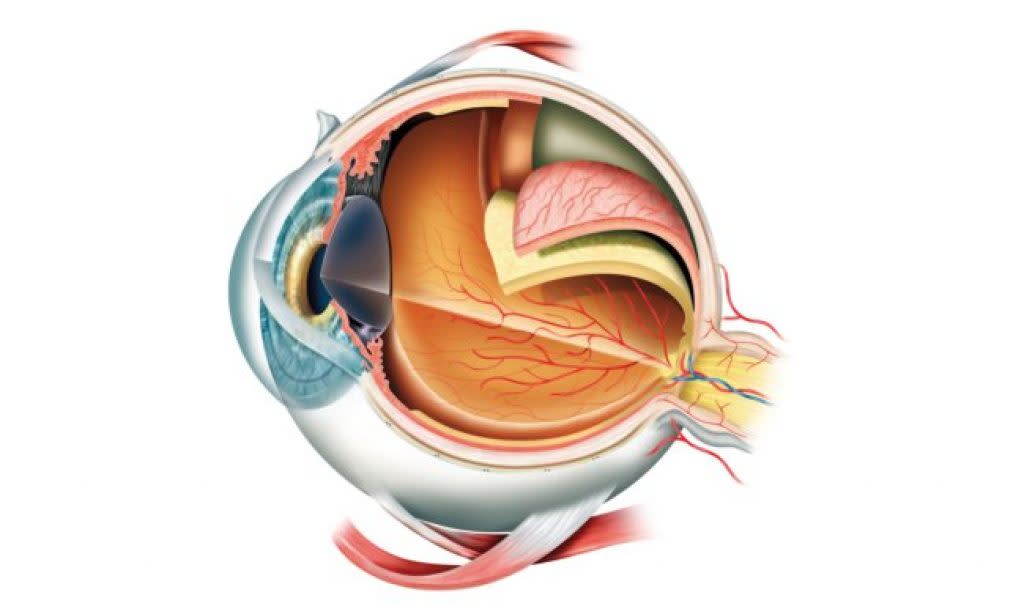
The blood vessels in the front of your eye dilate in response to an infection or inflammation.
2 of 3
Your eye looks bloodshot
The tiny veins in your conjunctiva are much easier to see than usual. They often look like tiny squiggly lines which might be part of the eye or all over.
3 of 3
The redness might spread
You may just get a bloodshot eye on one side, but it might also spread across the surface of the whites of your eye.
What is a bloodshot eye?
Bloodshot eyes are common, and in Australia, they’re the fourth most common eye‑related reason people visit their GP. The terms ‘red eye’ and ‘bloodshot eye’ are often used when the veins in the eyes become more visible than usual. Normally, the whites of your eyes (the sclera) look mostly white, with only faint pink veins. But when the blood vessels dilate or burst, they become easier to see.
If the vessels dilate – also referred to as conjunctival hyperaemia – you’ll notice more red veins across the eye. If a vessel bursts, which can happen after coughing hard or knocking your eye, you might see a solid red patch. This is called a subconjunctival haemorrhage which usually fades on its own within a few days.
A red, bloodshot eye normally occurs when the blood vessels on the surface of the eye (the conjunctiva) expand. If the redness occurs in small, localised areas, or spots, this may be due to an injury. If the redness is across a larger area of the eye, this might be caused by infection, allergy, or simply tiredness.
While redness is the most obvious sign that your eye is bloodshot, it may not be the only symptom that you have. Depending on the cause, you may also experience other symptoms. Let’s look at some of the most common ones.
Redness
The white of one or both eyes turns red or pink, either in a certain spot or all over. You may also notice visible red veins in your eyes.
Pain
A painful bloodshot eye can range from minor soreness to a severe discomfort.
Noticed your eyes hurting, or a change in your sight? Whether it’s something new or something that’s been bothering you for a while, we’re here to help.
There are several reasons why your eyes might appear bloodshot. We’ve grouped them into three types to help you work out what to do next.
1. Minor
Usually, nothing to worry about. A bit of rest, some home care, or a quick chat with your optometrist should sort it.
2. Needs attention soon
Not an emergency, but you should try to see an optometrist within 24 hours.
3. Emergency
Get help straight away. Call Triple Zero or head to your local ED.
1. Minor Causes
Some causes of red eye don’t need medical treatment and tend to clear up on their own in a few days. Often, simple things like using eye drops, taking breaks from screens or avoiding certain triggers can help ease the problem.
Common causes include too much screen time (which can lead to digital eye strain), overuse of contact lenses, or mild allergies like hay fever. Red eyes might also come about due to sensitivity to chlorine in swimming pools, smoke, perfume, or pollution in the air.
Alcohol and drug use can also cause the eyes to appear red as they cause the blood vessels in the eye to expand
Another cause is a subconjunctival haemorrhage – a burst blood vessel in the eye. Whilst it may appear dramatic, they are painless and clear up on their own within a couple of weeks.
2. Non‑urgent care
Some of the things that cause bloodshot eye do need treatment and won't always go away on their own. Your optometrist can diagnose the following bloodshot eye causes.
Iritis/Uveitis (mild or early signs)
Inflammation of the iris, the coloured part of the eye. It can cause redness, sensitivity to light, blurred vision and/ or a dull ache. It is recommended to see an optometrist for treatment and management. Needs treatment but is not always urgent unless symptoms are severe.
Blepharitis
A common condition that causes redness, swelling, crusting/flakiness and irritation of the eyelids and eyelashes.
Australia’s high UV levels mean many people experience ‘eye sunburn’ each year. It can leave your eyes feeling sore, red and bloodshot.
Conjunctivitis
Also known as pink eye, it is a common condition that can be bacterial, viral or allergic in nature. It affects the membrane covering the white of the eye and the eyelids the eye can appear quite red and can feel gritty, itchy, watery and/or sticky.
Can cause redness, light sensitivity, pain, blurred vision and the feeling there’s something in your eye. Left untreated, they can lead to permanent damage.
Also known as a corneal abrasion – is caused by trauma to the eye such as being poked by a fingernail/object, getting grit into the eyes, aggressive rubbing of the eyes or mishandling of contact lenses.
Dry eyes
Can occur when your eyes don’t make enough tears, or the tears dry up too quickly. It can lead to discomfort, soreness and redness. Often easily treated with over‑the‑counter lubricating eye drops.
Also known as 'Surfer's Eye', is a growth of fleshy tissue on the white part of the eye that can extend onto the cornea. Often caused by over‑exposure to UV radiation as well as wind and dust. In some instances, it can cause the eyes to become irritated and red.
Stye
A small, painful lump that forms on or inside the eyelid. It can make the eye red and watery.
A form of inflammation in the eye that can be linked to autoimmune conditions like rheumatoid arthritis or lupus.
3. Emergency care
In some cases, a bloodshot eye needs urgent medical care. Call triple zero (000) or go to your nearest hospital emergency department if your eye is very painful, your vision changes suddenly, or you have redness along with light sensitivity, halos, a headache or feeling sick. These could be signs of serious eye conditions like acute angle‑closure glaucoma or acute anterior uveitis – both need fast treatment to help protect your eyesight.
You should also get help if your red eye is caused by an injury (like a knock or scratch), if it suddenly gets worse or if it spreads to both eyes. When it comes to your eyes, it’s best not to take any chances.
Bloodshot eyes (red eye) and contact lenses
Often when people start using contact lenses, they might find that their eyes get red. This might be because they aren't changing them properly, not cleaning them enough, or simply wearing them for too long. If you get red eyes when using contact lenses, speak with your optometrist.
Very often, bloodshot eyes will simply clear up on their own in a matter of days without requiring any treatment. However, depending on what’s causing the condition, there are a variety of bloodshot eye treatments that can help you manage symptoms and reduce discomfort. If you notice any discomfort, book an appointment with your optometrist for assessment and advice. In severe cases of chronic or sore bloodshot eyes, further tests and ongoing treatment may be needed.
Red eyes can often be treated at home and with over‑the‑counter medication.
Home treatment and self‑care for red eyes:
Eye drops
Over‑the‑counter eye drops can be used to lubricate dry eyes and soothe irritation.
Cold compresses
Gently pressing a cold compress over your eyelids may help to reduce inflammation and redness, particularly if you’re suffering because of allergies like hay fever, where the eyes can become itchy and puffy.
Allergy medication
If an allergic reaction is causing your red eyes, taking antihistamine medication (in the form of drops or tablets) can help to reduce your discomfort.
Rest and lifestyle changes
Ensuring you get enough sleep can help reduce eye redness. Reducing alcohol consumption and wearing sunglasses when outside may also help.
Screen time
Redness due to digital eye strain can be reduced by following the 20‑20‑20 rule. Take a break of at least 20 seconds, every 20 minutes, and look 20 feet away.
Non‑urgent bloodshot eye treatment
If your bloodshot eyes are caused by an underlying medical condition, your optometrist will recommend treatment based on the cause. For bacterial or viral infections, antimicrobial eye drops may be used. In some cases of red eye, a steroid eye drop may be given to help ease pain and reduce inflammation.
If your bloodshot eye is very painful, bleeding, making you feel sick, affecting your vision or giving you a bad headache, you’ll need emergency medical care. Treatment will depend on the cause. This might range from receiving a lubricating, antibiotic or steroid eye drop, or may require oral medication.
In more serious cases, surgical intervention may be required. After the immediate issue is treated, you may also be referred to a specialist eye clinic for follow‑up care.
How long will it take to get rid of red eyes?
How long it takes for red eye to heal depends on what’s caused it. Most minor cases clear up on their own within a few days, though some can take a couple of weeks. If it hasn’t improved after two weeks, it’s best to see your optometrist.
If your eyes stay red for several weeks or months, it could be a sign of a longer‑term issue. This is known as chronic red eye. An optometrist can help find the cause and recommend the right treatment to get it sorted.
How to prevent bloodshot eyes (red eye)
Getting a bloodshot eye is unpleasant. While it's normally not serious, it can feel worrying. Here are some simple ideas for avoiding getting bloodshot eyes.
Good hygiene
Most people touch or rub their eyes much more than they realise ‑ so it's always good to wash your hands with soap often, especially when you've been outside or on public transport. Always wash your hands when handling contact lenses.
Drink plenty of water
Getting enough water is as important to our eye health as it is almost every other part of our bodies. Dehydration can lead to decreased tear production and irritation, so be sure to keep well‑hydrated throughout the day.
Rest
Give your eyes plenty of rest ‑ aim to sleep 7‑9 hours per night. And try and remember to blink ‑ especially when using a screen or driving.
Manage screen time
Try to reduce screen time, or follow the 20‑20‑20 rule.
Wear protection
Use safety glasses or goggles when gardening, doing DIY, or if you work in a job where small objects might fly in the air.
Antihistamines
If your bloodshot eyes are caused by mild allergies, stock up on over‑the‑counter antihistamines.
Eye tests
Having regular eye examinations will help to identify any eye strain issues and other eye conditions that might be irritating your eyes.
If you woke up with a bloodshot eye this morning, it can be quite alarming. There are plenty of possible reasons you might have a bloodshot eye in the morning, including things like:
Eye infections developing overnight
Tiny scratches or bumps that happened
Coughing or sneezing hard
Dry eyes from sleeping in a room with air conditioning
Eye irritation from things like dust, sand, ash particles or UV radiation
Tiredness
It depends. Bloodshot eyes are normally minor conditions, and they often clear up by themselves. However, there are times they do need urgent or emergency care ‑ especially if they come with other symptoms such as pain, bleeding, or generally feeling unwell. Even if you only have redness in one eye with no pain, it's still worth getting it checked by an optometrist.
If your red eye is caused by a minor issue like tiredness, screen time or minor irritants in the air, it will usually just clear up by itself in a few days. There are some things you can do to help your eye recover faster. Try to stay hydrated, get plenty of rest, reduce screen time and avoid anything that might irritate your eye. Eye drops and cold compresses may also help soothe the eye. If the issue hasn't cleared up after two weeks, visit an optometrist.
Many Australians notice they get bloodshot eyes more often during fire season. You can avoid this by staying indoors to avoid haze, wearing wraparound sunglasses and a hat if you need to go outside. It can be helpful to stock up on lubricating eyedrops and keep spares at home, at work or in your car.
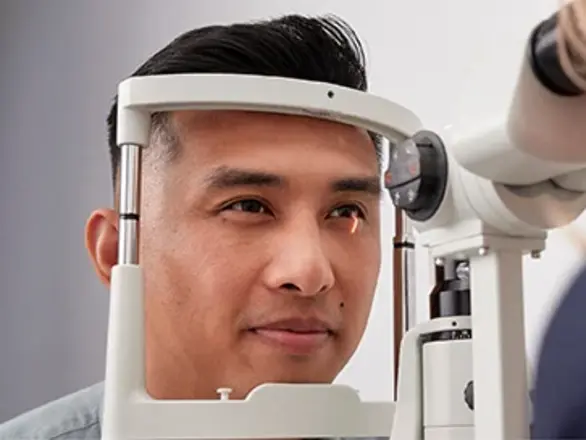
Bloodshot eyes can indicate a range of eye conditions. Often, it's nothing more than a sign of tiredness or something irritating the eye. But other times a bloodshot eye can indicate conditions like conjunctivitis, blepharitis, iritis and other issues. An optometrist can carry out a detailed examination of your eye to get to the cause.
We generally recommend seeing your GP or an optometrist (eye doctor) if you ever notice any changes in your eyes' health. That said, if the problem seems to be mild and painless, it may simply go away by itself. But if you get sore red eyes, it's painful, or you get other symptoms (such as a headache or changes to your vision), or it doesn't go away after a few days, it's best to book an appointment.
The simplest way to avoid eye sunburn (photokeratitis) is to wear wraparound sunglasses with an adequate level of UV protection. Other measures such as seeking shade and wearing a hat with a broad brim can also reduce the amount of UV light entering your eye. If you've forgotten protection, try and stay out of the sun during the middle part of the day (10 am to 4 pm) when UV rays are strongest.
Getting sore, red eyes after swimming in chlorinated pools is very unpleasant. It can make your eyes uncomfortable and your vision blurry for several hours after you finish paddling. Prevention is better than cure ‑ remember to wear suitable swimming goggles and never wear contact lenses in the pool. Avoid pools that have a very strong chlorine smell. Once you've finished your swim, flush your eyes with cool tap water for several seconds and using lubricating eye drops as needed.
Did you know?
Eye tests are bulk billed to Medicare, so there are no out‑of‑pocket expenses for you*.
Sukhandeep Bedi is a therapeutically endorsed optometrist with a passion for paediatrics and ocular therapeutics. She began her academic journey at the University of New South Wales, completing a Bachelor of Medical Science in 2017, and then went on to earn a Doctor of Optometry from the University of Melbourne in 2022.
Sukhandeep has been practising for the past two years with Specsavers, aiming to provide evidence based and patient centred eye care. In addition to her work in practice, she has contributed to research in neuroimmunology with her Honours research recently published in the Journal of Neuroimmunology.
Seeing specks, spots or sudden flashes of light? These are common – but can also be a sign of a serious eye condition. It is worth checking out if they’re new or getting worse.
'%3e%3cpath%20d='M706.453%20375.999C860.234%20375.999%20984.899%20291.829%20984.899%20188C984.899%2084.1703%20860.234%200%20706.453%200C552.671%200%20428.006%2084.1703%20428.006%20188C428.006%20291.829%20552.671%20375.999%20706.453%20375.999Z'%20fill='%23009B4F'/%3e%3cpath%20d='M278.447%20375.999C432.229%20375.999%20556.893%20291.829%20556.893%20188C556.893%2084.1703%20432.229%200%20278.447%200C124.665%200%200%2084.1703%200%20188C0%20291.829%20124.665%20375.999%20278.447%20375.999Z'%20fill='%23009B4F'/%3e%3cpath%20d='M141.484%20166.68C125.01%20162.158%20114.996%20158.927%20114.996%20150.529C114.996%20143.422%20122.102%20138.9%20133.085%20138.9C144.068%20138.9%20155.051%20143.099%20164.095%20150.529L164.418%20150.852L165.388%20129.855C156.666%20125.01%20147.944%20121.78%20133.731%20121.78C123.394%20121.78%20114.027%20124.364%20107.243%20129.209C99.8137%20134.378%2095.9374%20142.13%2095.9374%20151.175C95.9374%20168.941%20110.796%20176.694%20123.394%20179.924C140.192%20184.446%20151.821%20188.323%20151.821%20198.659C151.821%20207.381%20144.068%20212.872%20131.47%20212.872C118.872%20212.872%20106.274%20207.381%2096.5834%20198.013L96.2604%20197.69L94.3223%20219.979C104.336%20226.762%20116.934%20230.316%20130.501%20230.316C142.13%20230.316%20152.144%20227.408%20159.25%20221.917C167.003%20216.103%20171.202%20207.704%20171.202%20197.367C171.202%20181.862%20161.511%20171.848%20141.484%20166.68Z'%20fill='white'/%3e%3cpath%20d='M264.557%20188C264.557%20215.78%20246.467%20230.316%20225.471%20230.316C215.457%20230.316%20207.381%20226.762%20201.244%20221.271V253.896H182.186V146.976H201.244V156.02C207.704%20149.883%20216.103%20145.684%20226.763%20145.684C247.436%20145.36%20264.557%20160.22%20264.557%20188ZM245.498%20188C245.498%20172.494%20236.131%20162.158%20222.887%20162.158C214.811%20162.158%20207.058%20165.711%20201.567%20173.787V203.182C207.058%20210.288%20214.488%20213.841%20222.887%20213.841C236.131%20213.841%20245.498%20203.505%20245.498%20188Z'%20fill='white'/%3e%3cpath%20d='M352.095%20194.137H294.274C296.535%20207.058%20305.903%20213.841%20318.824%20213.841C329.807%20213.841%20337.882%20211.257%20346.604%20206.089L347.573%20222.886C339.82%20227.085%20330.13%20230.316%20317.532%20230.316C294.274%20230.316%20274.893%20215.78%20274.893%20188.323C274.893%20162.804%20294.274%20145.683%20317.209%20145.683C341.112%20145.683%20353.71%20160.22%20353.71%20181.216C353.71%20185.415%20353.064%20189.615%20352.095%20194.137ZM335.621%20178.632C335.621%20168.618%20329.161%20160.866%20317.532%20160.866C306.549%20160.866%20296.858%20168.295%20294.597%20180.893H335.298C335.621%20180.247%20335.621%20179.601%20335.621%20178.632Z'%20fill='white'/%3e%3cpath%20d='M443.189%20221.917L445.128%20203.505C452.88%20209.965%20463.54%20213.841%20474.846%20213.841C482.921%20213.841%20488.413%20210.611%20488.413%20204.797C488.413%20189.615%20444.482%20197.367%20444.482%20169.91C444.482%20153.436%20458.695%20145.36%20475.492%20145.36C487.444%20145.36%20496.488%20148.268%20503.272%20152.467L502.303%20169.587C494.227%20164.096%20484.213%20161.189%20475.492%20161.189C468.708%20161.189%20463.217%20163.773%20463.217%20168.941C463.217%20181.862%20507.471%20175.402%20507.471%20203.828C507.471%20221.271%20492.289%20229.993%20474.523%20229.993C461.602%20230.316%20450.942%20227.085%20443.189%20221.917Z'%20fill='white'/%3e%3cpath%20d='M590.488%20177.986V228.701H571.429V220.302C564.969%20226.439%20556.57%20229.993%20546.88%20229.993C528.467%20229.993%20517.484%20219.01%20517.484%20203.505C517.484%20187.03%20530.405%20177.017%20549.464%20177.017C556.57%20177.017%20563.677%20178.309%20571.752%20180.57V177.986C571.752%20165.388%20562.385%20159.897%20550.756%20159.897C542.034%20159.897%20532.02%20163.127%20524.914%20168.941L524.268%20152.467C530.405%20148.268%20541.711%20145.037%20554.309%20145.037C574.983%20145.36%20590.488%20155.374%20590.488%20177.986ZM571.429%20206.735V194.46C564.646%20192.199%20558.185%20190.907%20551.402%20190.907C541.711%20190.907%20535.574%20196.075%20535.574%20203.505C535.574%20210.934%20542.034%20215.78%20550.433%20215.78C558.508%20215.78%20564.969%20212.872%20571.429%20206.735Z'%20fill='white'/%3e%3cpath%20d='M592.104%20146.976H612.777L636.358%20198.659L659.616%20146.976H680.289L641.526%20228.701H630.866L592.104%20146.976Z'%20fill='white'/%3e%3cpath%20d='M754.907%20194.137H697.409C699.67%20207.058%20709.038%20213.841%20721.959%20213.841C732.941%20213.841%20741.017%20211.257%20749.739%20206.089L750.708%20222.886C742.955%20227.085%20733.264%20230.316%20720.667%20230.316C697.409%20230.316%20678.027%20215.78%20678.027%20188.323C678.027%20162.804%20697.409%20145.683%20720.343%20145.683C744.247%20145.683%20756.845%20160.22%20756.845%20181.216C756.522%20185.415%20756.199%20189.615%20754.907%20194.137ZM738.756%20178.632C738.756%20168.618%20732.295%20160.866%20720.667%20160.866C709.684%20160.866%20699.993%20168.295%20697.732%20180.893H738.433C738.433%20180.247%20738.756%20179.601%20738.756%20178.632Z'%20fill='white'/%3e%3cpath%20d='M826.618%20148.914L824.034%20166.357C819.511%20163.773%20814.989%20163.127%20810.467%20163.127C802.068%20163.127%20794.315%20167.326%20788.824%20176.371V228.701H769.766V146.976H788.824V157.958C794.315%20150.529%20802.068%20145.36%20812.728%20145.36C817.896%20145.36%20822.418%20146.653%20826.618%20148.914Z'%20fill='white'/%3e%3cpath%20d='M832.109%20221.917L834.048%20203.505C841.8%20209.965%20852.46%20213.841%20863.766%20213.841C871.841%20213.841%20877.333%20210.611%20877.333%20204.797C877.333%20189.615%20833.401%20197.367%20833.401%20169.91C833.401%20153.436%20847.615%20145.36%20864.412%20145.36C876.364%20145.36%20885.408%20148.268%20892.192%20152.467L891.223%20169.587C883.147%20164.096%20873.133%20161.189%20864.412%20161.189C857.628%20161.189%20852.137%20163.773%20852.137%20168.941C852.137%20181.862%20896.391%20175.402%20896.391%20203.828C896.391%20221.271%20881.209%20229.993%20863.443%20229.993C850.522%20230.316%20839.862%20227.085%20832.109%20221.917Z'%20fill='white'/%3e%3cpath%20d='M429.298%20206.412C422.838%20211.257%20416.054%20213.841%20408.302%20213.841C395.058%20213.841%20383.429%20204.474%20383.429%20188C383.429%20171.525%20395.058%20162.158%20408.302%20162.158C416.054%20162.158%20422.838%20164.742%20429.298%20169.264C430.268%20163.45%20431.237%20157.958%20432.852%20152.467C426.068%20148.591%20417.67%20145.683%20406.041%20145.683C382.783%20145.683%20363.725%20161.512%20363.725%20188C363.725%20214.487%20382.783%20230.316%20406.041%20230.316C417.67%20230.316%20426.068%20227.085%20432.852%20222.886C431.237%20217.395%20429.944%20211.903%20429.298%20206.412Z'%20fill='white'/%3e%3c/g%3e%3cdefs%3e%3cclipPath%20id='clip0_1478_9029'%3e%3crect%20width='984.9'%20height='375.999'%20fill='white'/%3e%3c/clipPath%3e%3c/defs%3e%3c/svg%3e)